Beyond Comics: The Doomsday Clock and Our Fragile Future
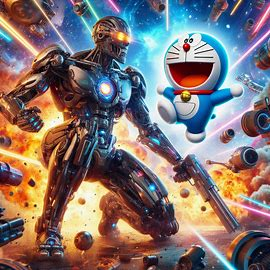
You may have heard the name "Doomsday" from Marvel comics—a towering villain known for destruction and chaos. But outside the realm of superheroes and fantasy, there exists a real-world symbol with an equally ominous name: the Doomsday Clock. And unlike its comic book counterpart, this clock isn’t about fiction—it’s about our collective future.

The Doomsday Clock was created in 1947 by the Bulletin of the Atomic Scientists, a group of researchers who had worked on the Manhattan Project and were deeply concerned about the future of humanity. Rather than measuring hours and minutes, this symbolic clock represents how close we are to a global catastrophe. Midnight on the clock signifies the moment of irreversible disaster—whether through nuclear war, climate collapse, or unchecked technological threats.

What makes the Doomsday Clock so compelling is that it’s not static. It’s adjusted regularly based on current global events. When tensions rise between nuclear powers, when climate change accelerates, or when misinformation threatens democratic stability, the hands inch closer to midnight. Conversely, moments of diplomacy, scientific progress, or global cooperation can push the hands back. It’s a visual metaphor for how our choices shape the fate of the planet.
In recent years, the clock has moved closer to midnight than ever before. The rise of artificial intelligence, the spread of disinformation, the erosion of trust in institutions, and the intensifying climate crisis have all contributed to this shift. It’s a sobering reminder that the threats we face are interconnected—and that solutions require global awareness and action.
So while Doomsday in comics might be defeated by superheroes, the Doomsday Clock challenges us to be heroes in our own right. It asks us to pay attention, to act wisely, and to remember that the future isn’t written in stone—it’s ticking, and it’s in our hands.
Comments
Post a Comment